
How art direction supports business growth
Art direction can improve the quality and coherence of visual decisions when it is connected to brand and market strategy.

Art direction connects visual quality to business logic, brand positioning and audience experience. Its role is not merely to beautify output, but to make visual choices coherent and translate strategy into a recognisable language.
What problem does art direction solve?
When each campaign or channel uses a separate visual language, audiences work harder to recognise the brand and understand message priority.
- Consistency across touchpoints
- Clear message hierarchy
- Repeatable quality
Connection to brand strategy
Colour, imagery, composition and rhythm should follow positioning and character rather than temporary taste.
- Translate positioning into visual principles
- Define the boundary between freedom and consistency
- Provide applied examples for teams
Connection to production
A shared brief, review criteria and reference library reduce rework and make team conversations more precise.
- Shared brief
- Quality-control points
- Asset stewardship
How should it be evaluated?
Evaluation should move beyond taste. Review clarity, audience fit, coherence and feasibility.
- Clarity
- Differentiation
- Consistency
- Scalability
Questions for reviewing the decision
Before expanding an activity, these questions help keep the distinction between activity, learning and outcome visible.
- Which challenge or hypothesis does this action examine?
- Who owns the decision and who owns delivery?
- What evidence would lead to continuation, change or stopping?
- Where will learning be recorded and carried into the next decision?
What should we know before starting?
Next step
Art direction can improve the quality and coherence of visual decisions when it is connected to brand and market strategy.
Related topics

Marketing automation: start with the operating model
Marketing automation works when the customer journey, data and process ownership are clear before tools are selected.

What agentic AI means for digital marketing
Agentic AI can automate parts of marketing workflows, but it requires sound data, controls and clear accountability.
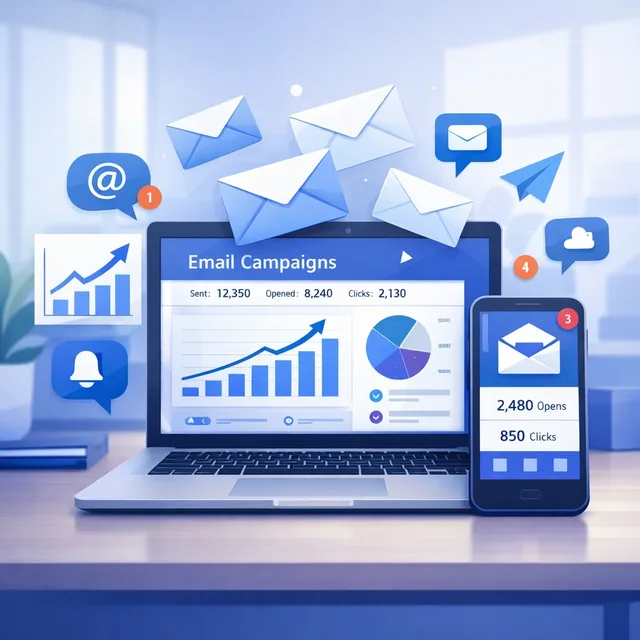
Email marketing: a practical growth channel
Email marketing is a relationship channel that creates value through consent, segmentation and continuous measurement.